
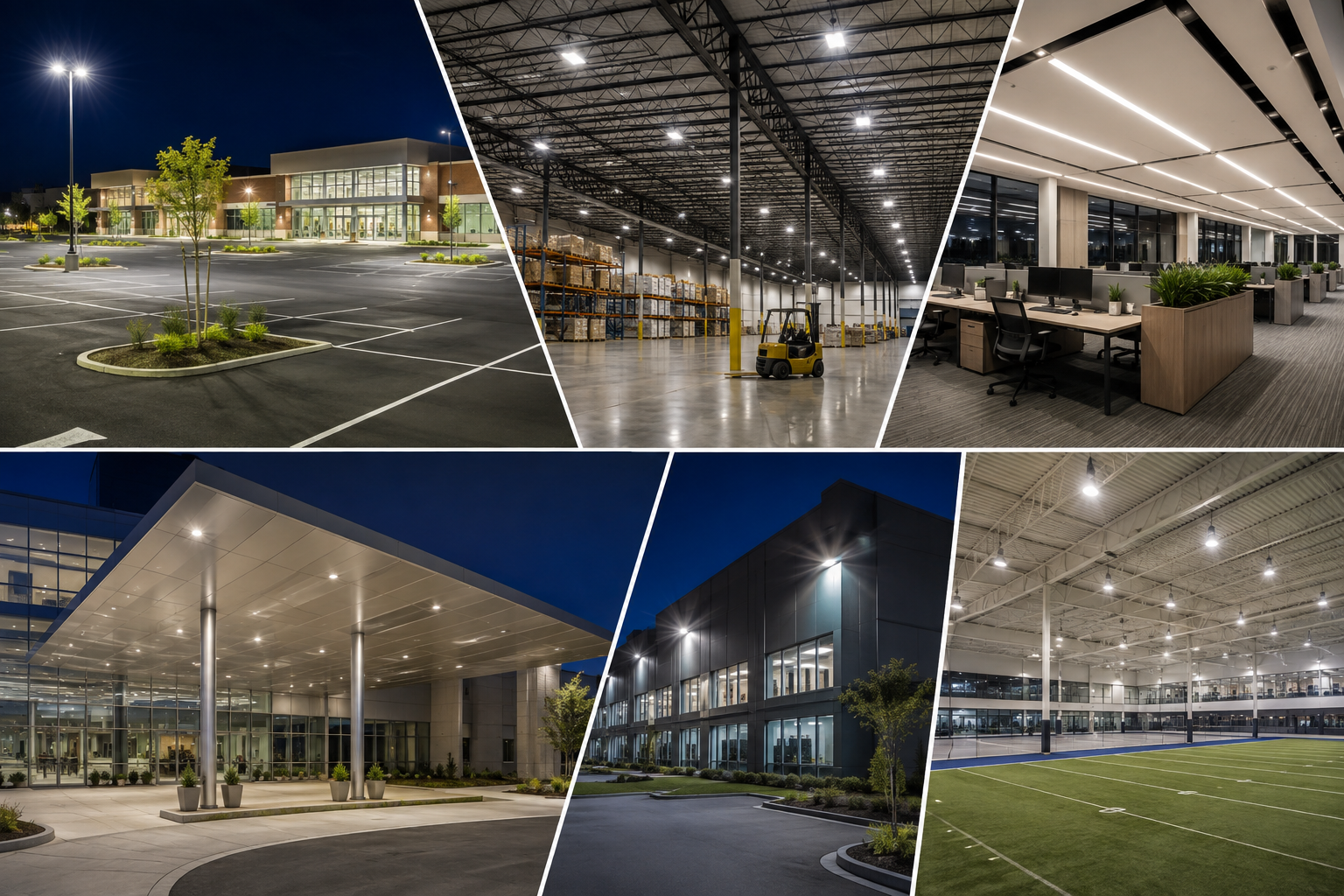
Lighting Strategies Built Around the Way Commercial Facilities Actually Operate
Commercial lighting is not a single application. A warehouse, manufacturing plant, office, gymnasium, natatorium, parking lot and hazardous industrial environment can all require entirely different approaches to fixture selection, distribution, mounting, controls, maintenance and long-term performance. LEDTOMORROW helps customers evaluate lighting around the actual conditions of the facility rather than forcing every project into the same replacement strategy.
Use this page to explore application-specific lighting guidance for the environments we support. Each application page explains the design considerations, fixture strategies, photometric planning, controls and retrofit decisions that can influence the final lighting system.
Explore Commercial Lighting by Facility & Application
The strongest lighting strategy begins with the application. Select the environment below to review the design issues, operating conditions and lighting approaches most relevant to that type of facility.
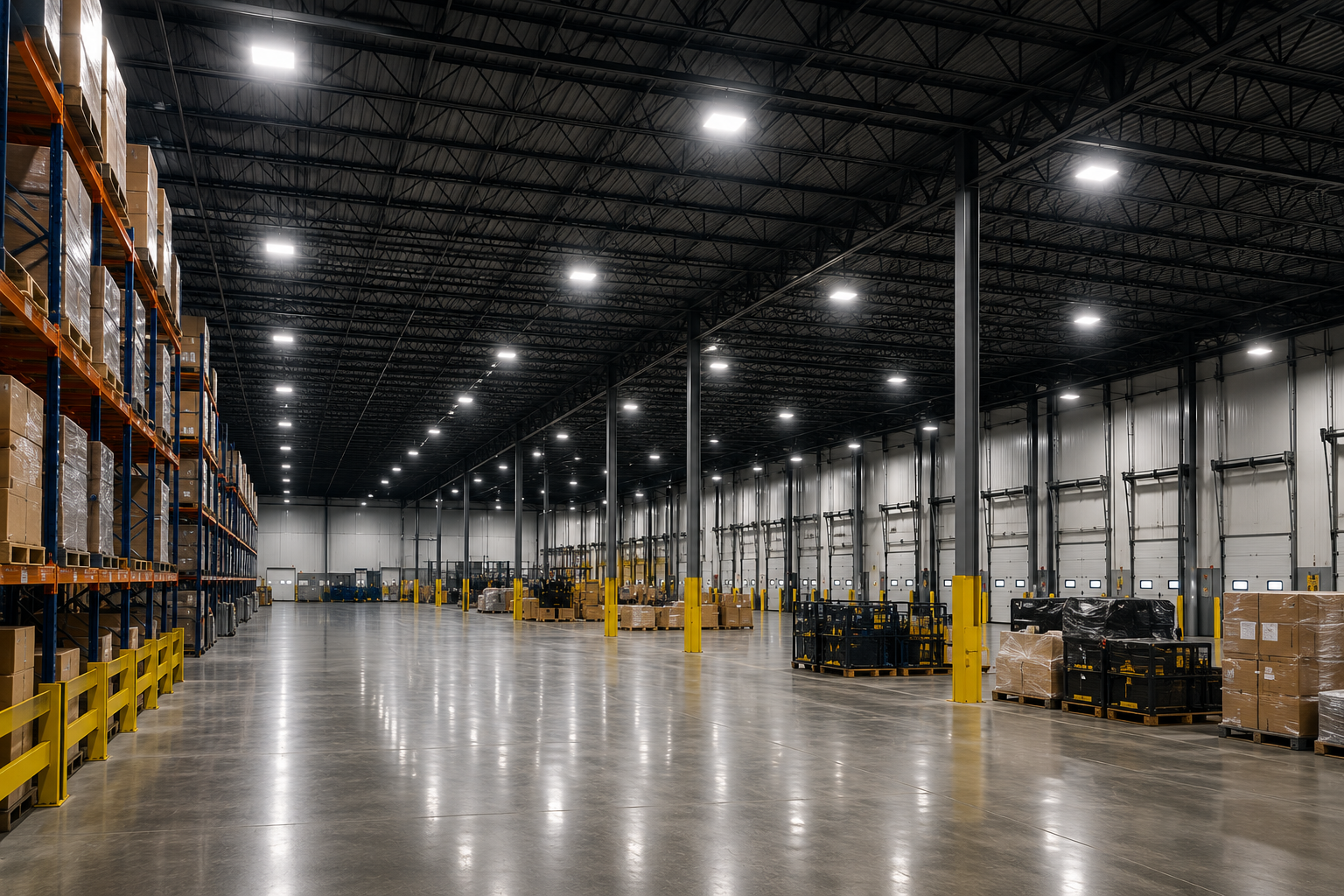
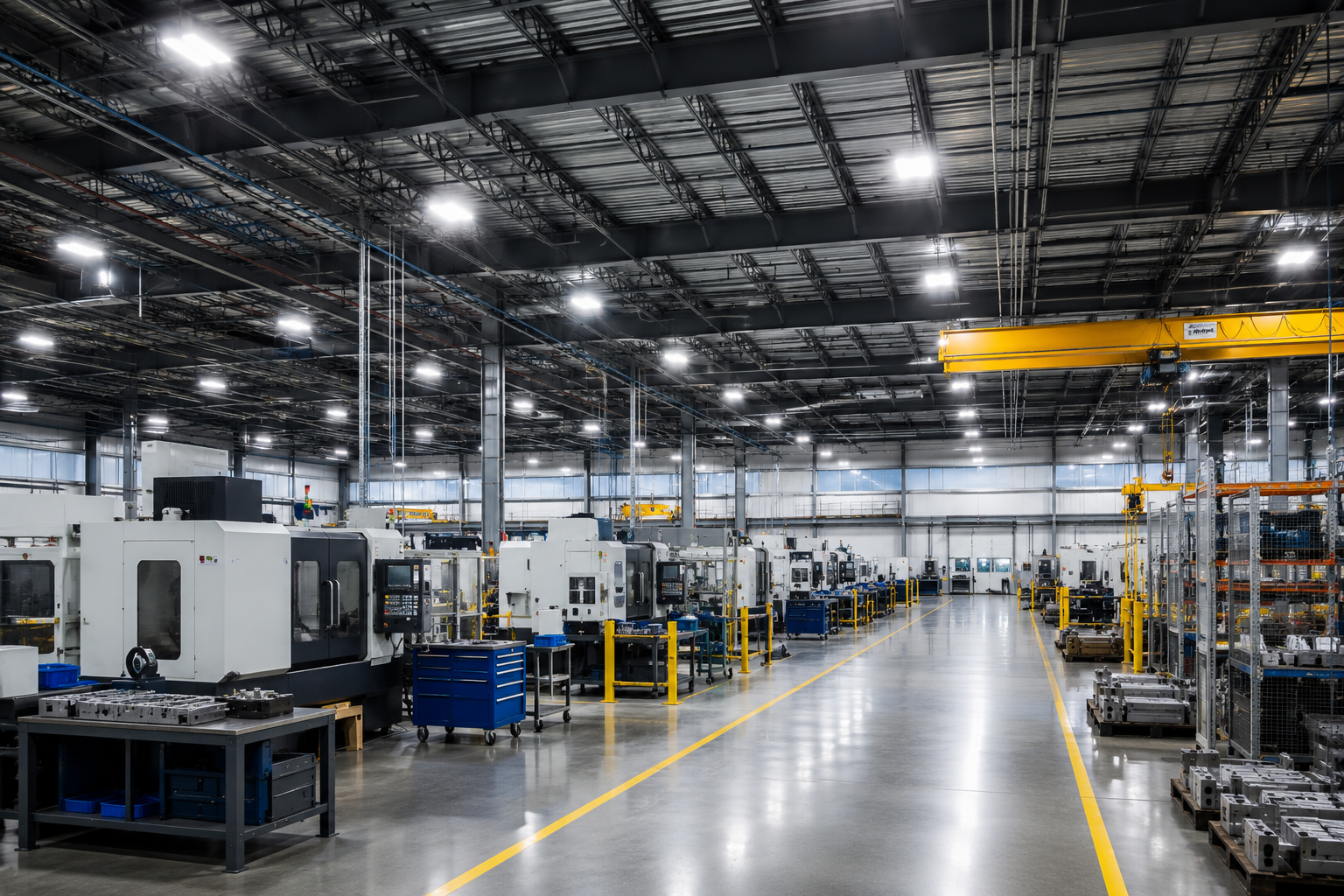
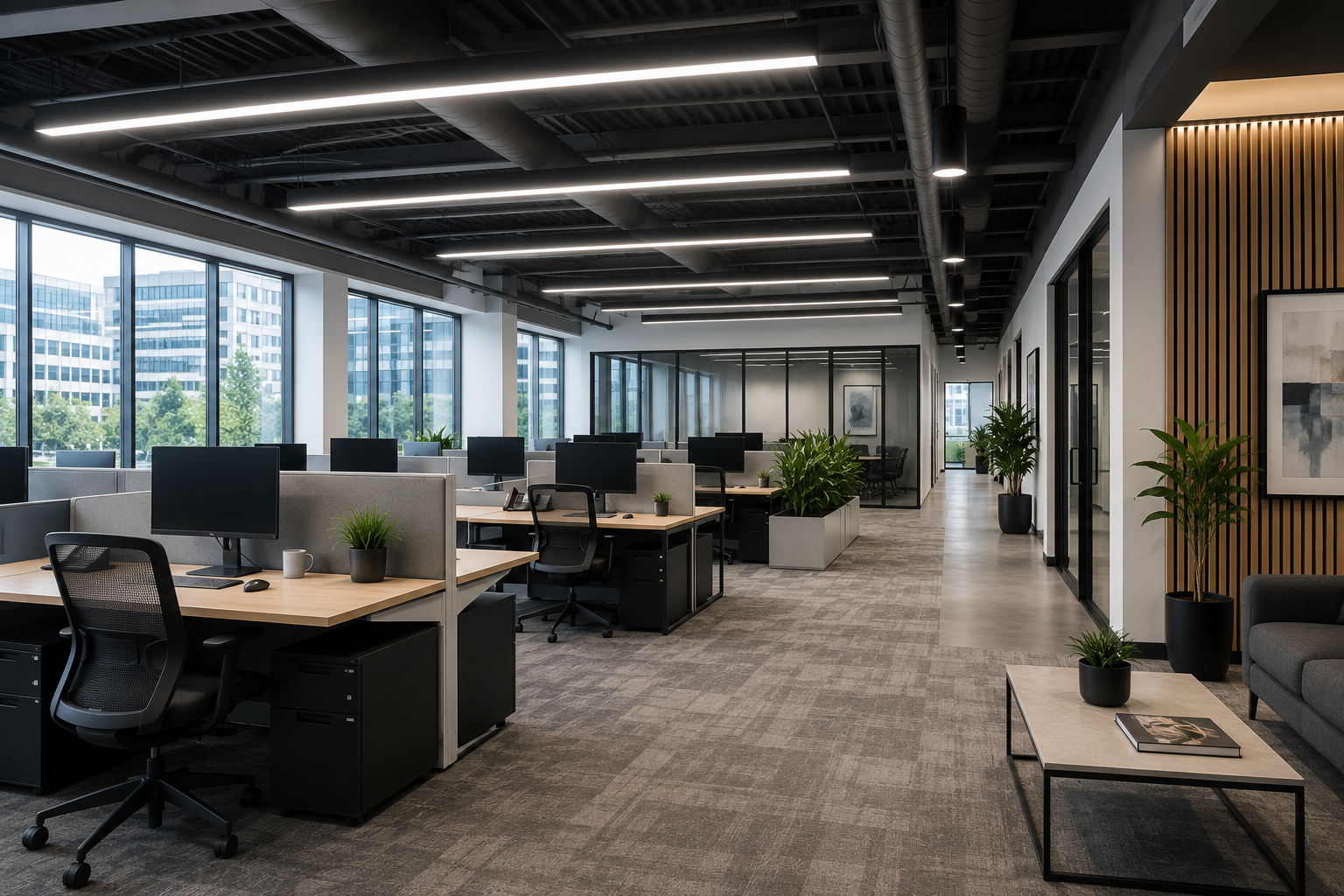
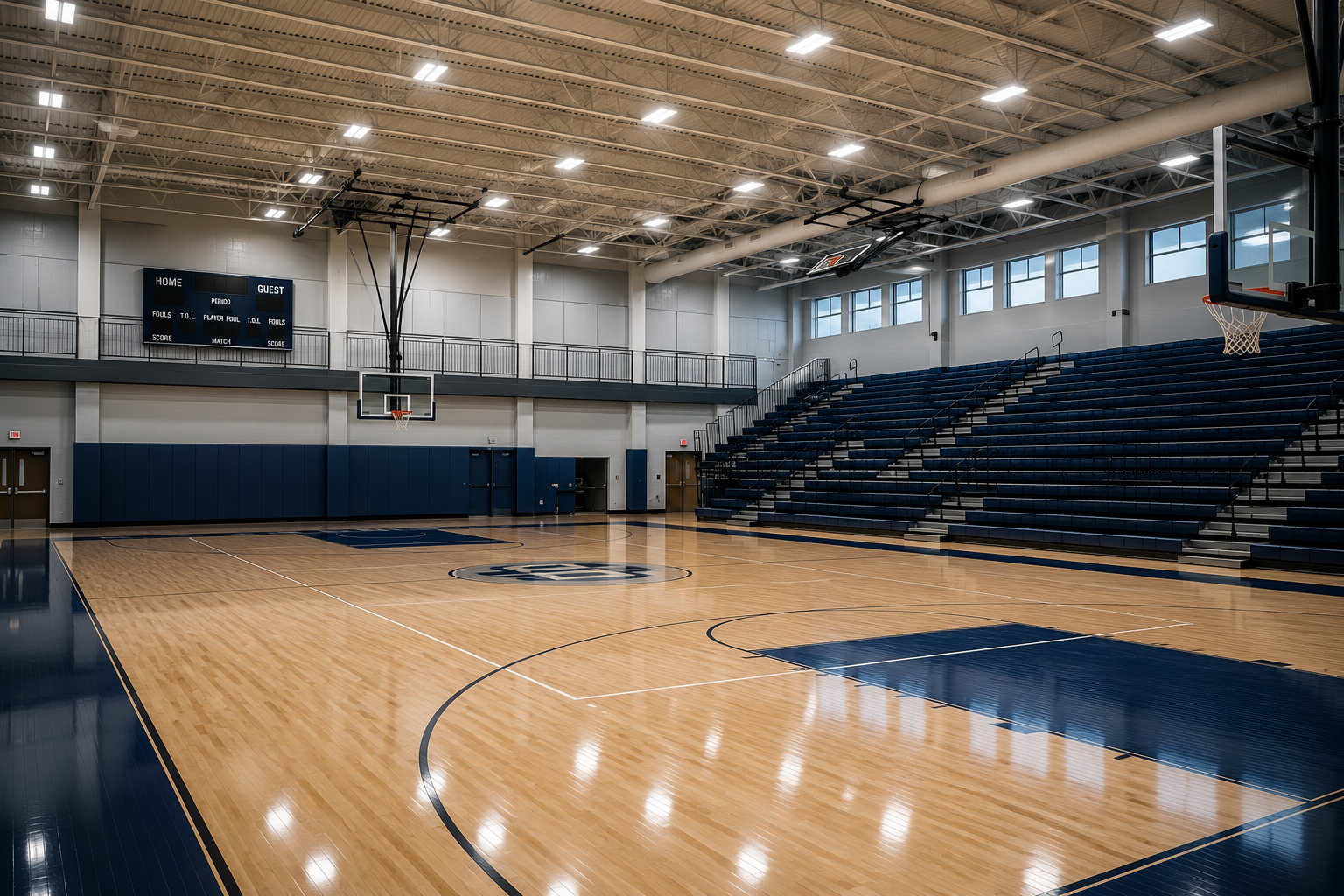
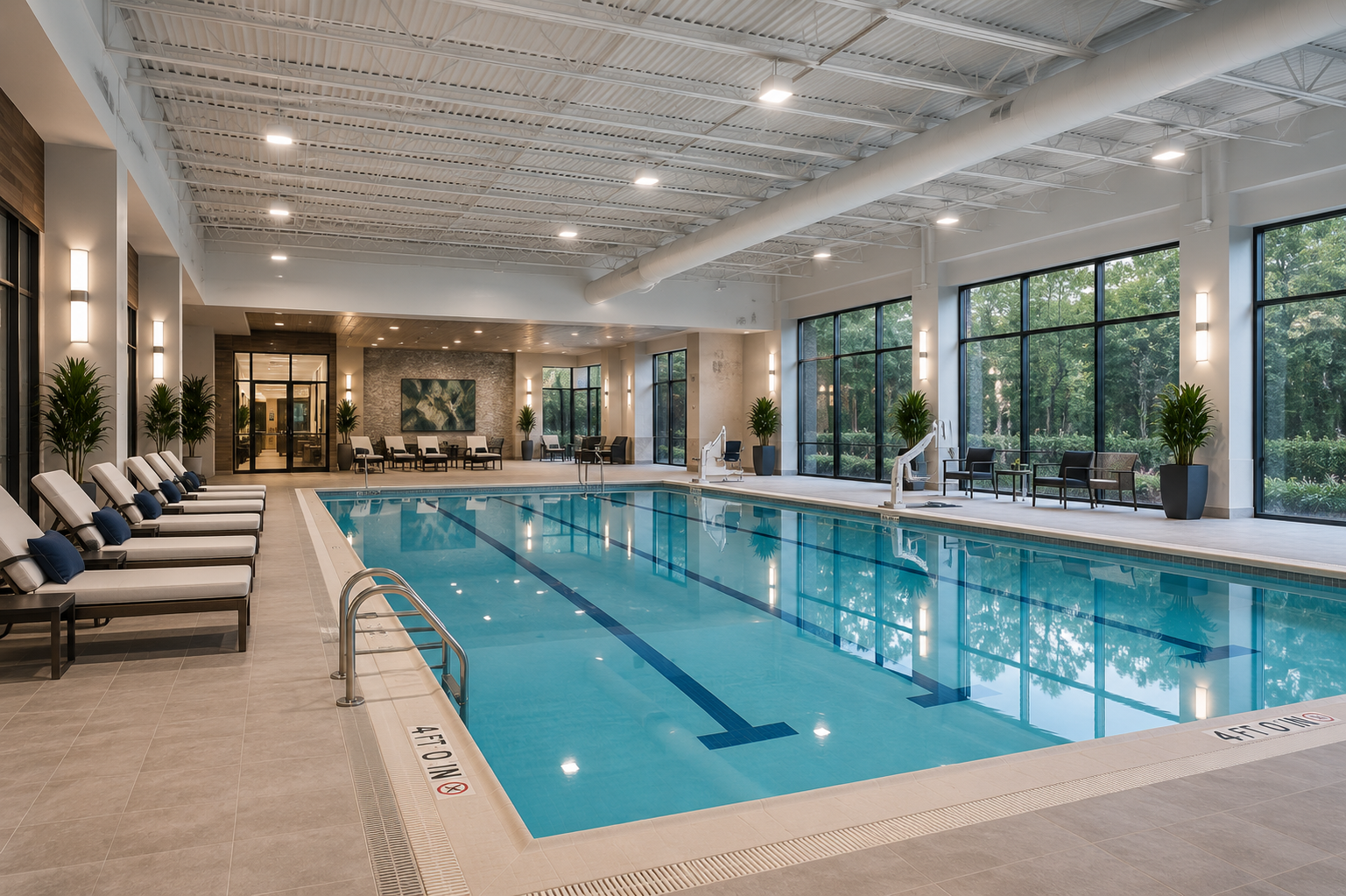
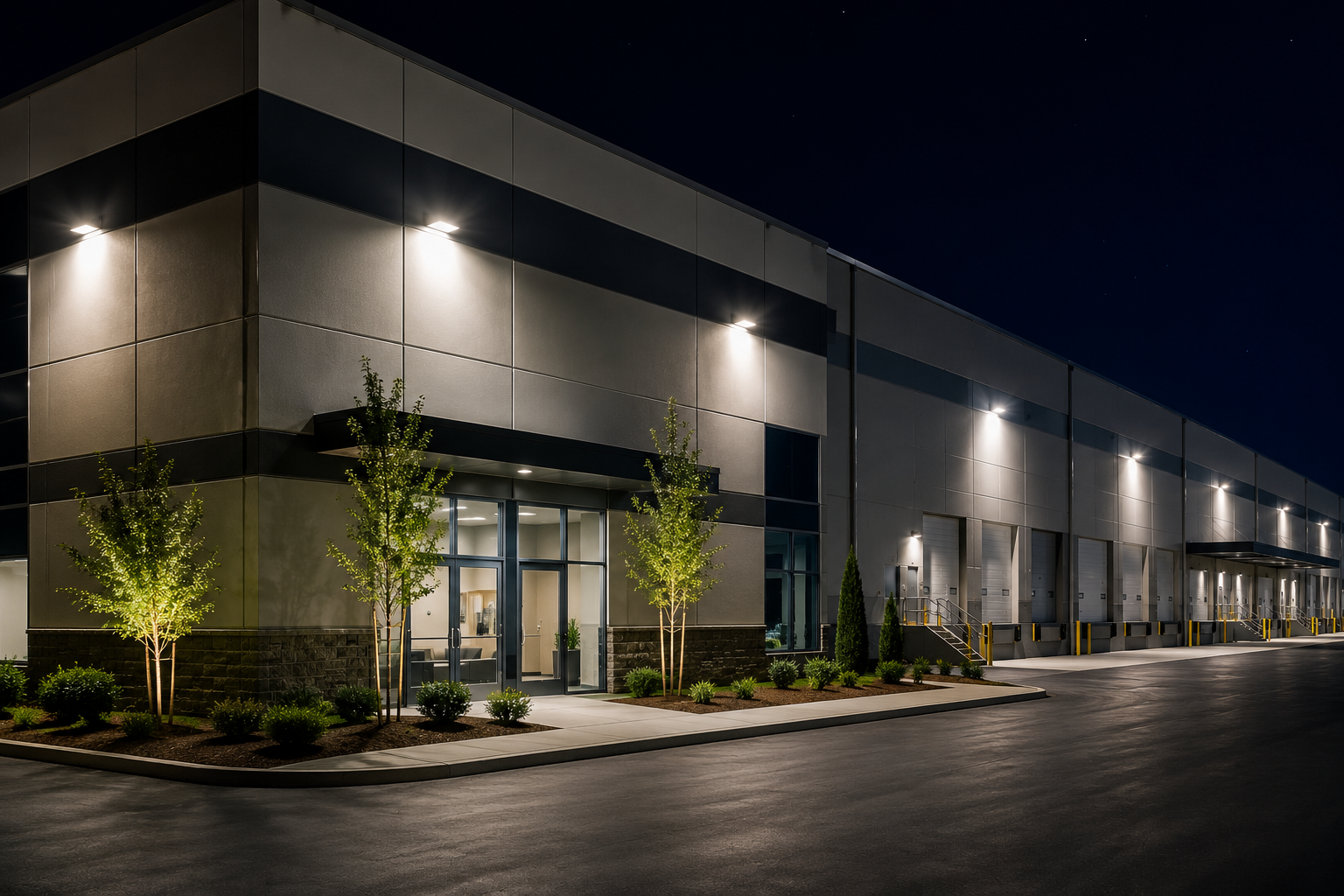
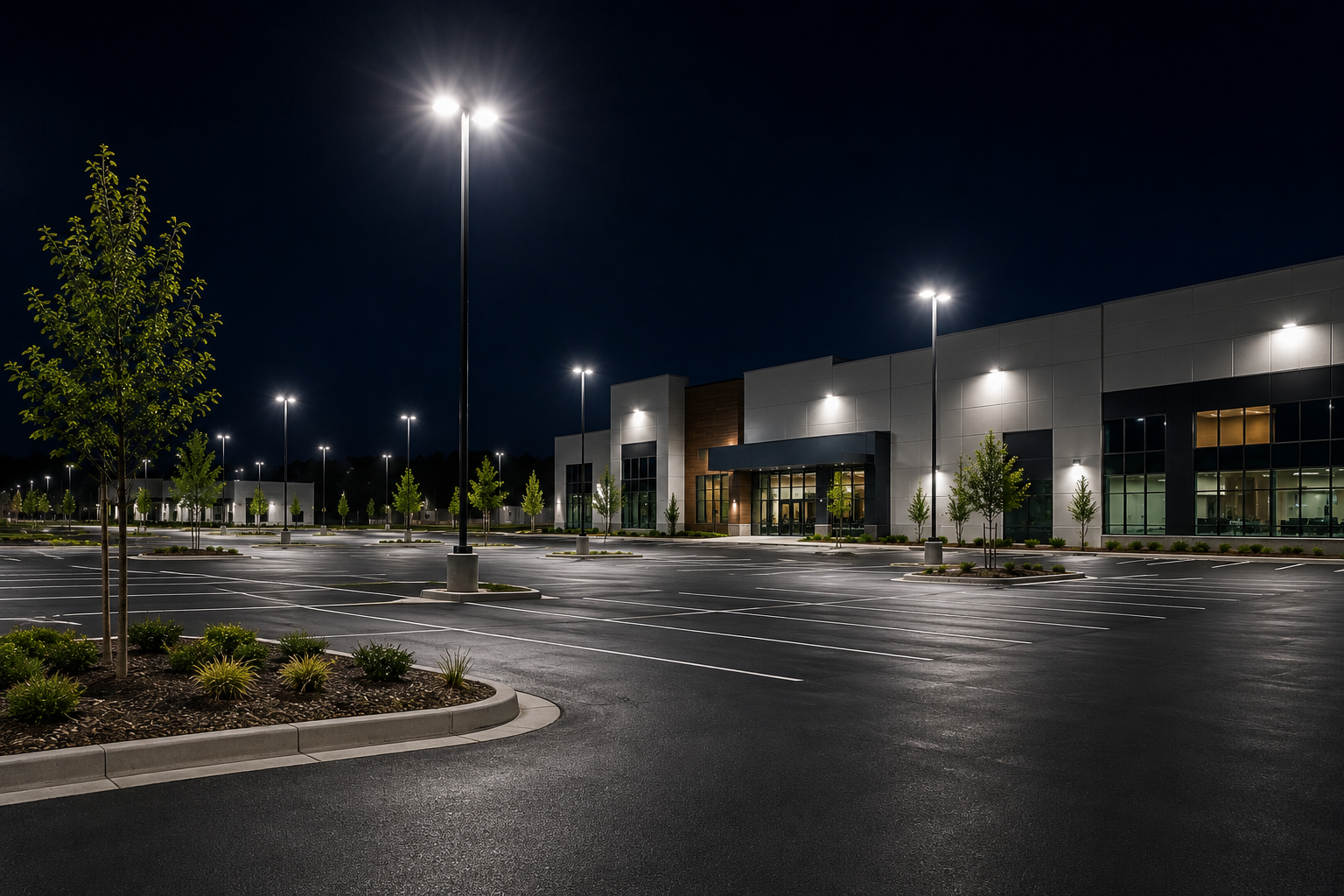
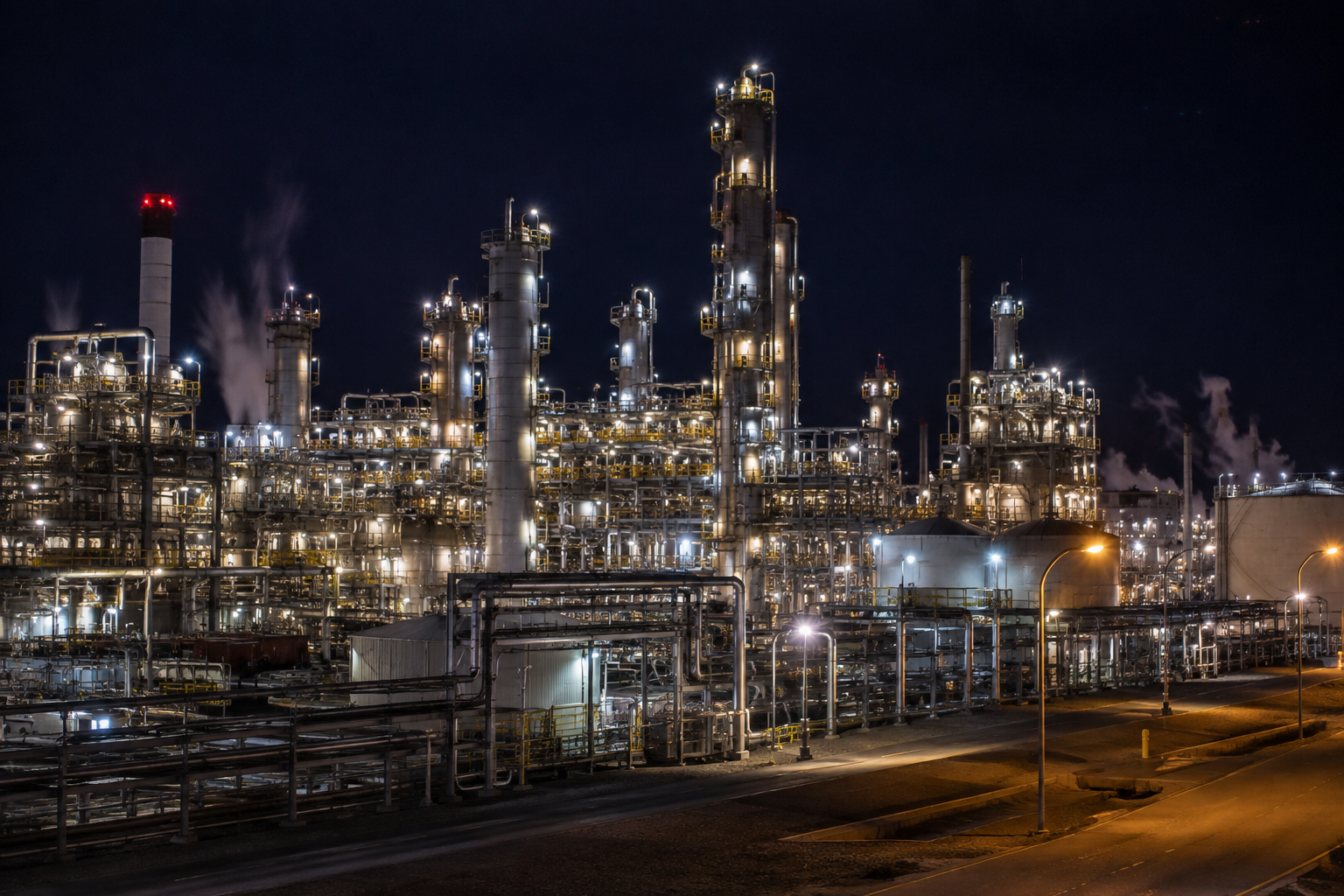
The Same Fixture Can Perform Very Differently in Two Different Facilities
Lighting performance depends on the relationship between the fixture and the environment around it. Ceiling height, room geometry, mounting location, reflective surfaces, equipment, occupancy, schedules, weather exposure, architectural objectives and maintenance access can all change what constitutes an appropriate solution.
Geometry & Mounting
Ceiling height, pole height, mounting surface, structural layout and surrounding architecture influence fixture quantity, spacing and distribution.
Visual Tasks & Activity
A warehouse aisle, office workstation, basketball court and loading dock place very different demands on horizontal and vertical illumination.
Environment & Exposure
Moisture, dust, humidity, temperature, weather, corrosion and classified conditions can influence fixture construction and application suitability.
Operating Schedule
Facilities operating around the clock may prioritize energy management, controls, maintenance access and long-term reliability differently than lower-hour applications.
Appearance & Architecture
In offices, hotels, public spaces and building exteriors, the visual presence of the lighting system can be part of the architectural design itself.
Controls & Future Flexibility
Occupancy sensing, daylight response, scheduling, dimming and networked controls can change how lighting responds to the facility throughout the day.
From Application Planning to Indoor, Outdoor & Control Strategies
Application pages explain how lighting should respond to a particular environment. For a broader look at fixture families and system architecture, explore our commercial indoor lighting, commercial outdoor lighting and lighting controls resources.
Commercial Indoor Lighting
Explore architectural linear fixtures, cylinders, high bays, surface-mounted lighting, vapor tight fixtures, panels, troffers, recessed lighting and other commercial interior solutions.
Commercial Outdoor Lighting
Explore area lights, wall packs, canopy lights, flood lights, post tops, exterior pendants, wall sconces and other lighting used across commercial properties and sites.
Commercial Lighting Controls
Explore occupancy sensing, daylight controls, scheduling, dimming, fixture-level control, networked lighting, smart building strategies and smart-city lighting control systems.
Start With the Facility, Then Build the Lighting Strategy
Customers do not need to know which fixture family, optical distribution or control platform they need before contacting LEDTOMORROW. We can begin with the building, site conditions and project objectives, then help narrow the lighting approach from there.
Understand the Application
We evaluate facility type, dimensions, mounting conditions, existing lighting, operating hours and the visual tasks occurring in the space.
Define Performance Goals
Coverage, uniformity, glare, appearance, maintenance, controls, energy use and retrofit limitations are considered as part of the project.
Develop the Lighting Approach
We help identify fixture families, layouts, photometric needs, retrofit strategies and controls appropriate for the application.
Support the Project
LEDTOMORROW can help customers move from initial evaluation and planning toward an implementable commercial lighting solution.
Commercial Lighting Application Questions
Why should lighting be planned around the application instead of only the fixture type?
Because the same fixture can perform very differently depending on mounting height, spacing, room geometry, surrounding surfaces, activity and environmental conditions. Application planning helps connect the equipment to the actual needs of the facility.
Can LEDTOMORROW help with both new construction and existing lighting retrofits?
Yes. New construction provides flexibility to coordinate fixture locations and controls from the beginning, while retrofit projects require evaluation of existing infrastructure, mounting locations and current performance.
Can photometric planning be used for commercial lighting applications?
Yes. Photometric analysis can help evaluate fixture quantity, spacing, estimated illumination, uniformity and potential dark or overly bright areas before installation.
Can lighting controls be incorporated into application-specific designs?
Yes. Occupancy sensing, scheduling, daylight response, dimming, zoning and networked control can be evaluated according to how the facility operates and where greater flexibility or automation would provide value.
Not Sure Which Lighting Strategy Fits Your Facility?
Tell us about the building, site, existing lighting, operating conditions and project goals. LEDTOMORROW can help identify the lighting approach, fixture types, photometric planning and control strategies that make sense for the application.